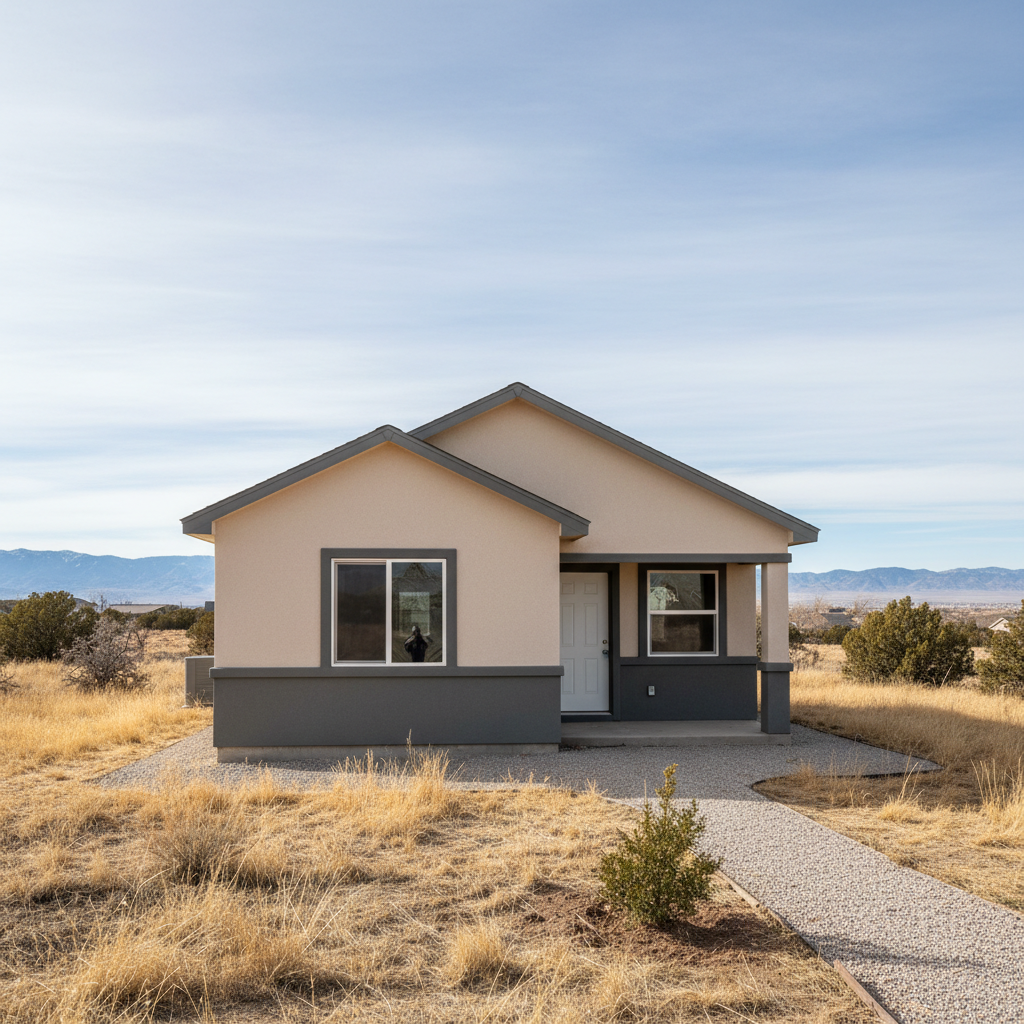
Thinking about EIFS (Exterior Insulation and Finish System) for your place here in West Valley City? It's a great choice for insulation and can give your home a really modern look. But, let's be honest, the first thing most folks wonder is, "What's this going to cost me?" You won't find any vague answers from me. I'm going to give you the real story on EIFS pricing, what makes it go up or down, and how to make sure you're getting a fair deal.
What Makes EIFS Installation Prices Change?
A lot of things factor into the final price tag for an EIFS job. It's never just a simple square footage calculation. Here's what I look at when I'm putting together a quote:
- The Type of EIFS System: There are a few different kinds, you know. The most common are barrier (or traditional) EIFS and drainage (or water-managed) EIFS. Drainage systems usually cost a bit more because they include an extra layer for managing water. That's super important for stopping moisture problems, especially with our occasional heavy snow melts and spring rains here in the valley. You might pay 10-20% more for a good drainage system, but it's often worth it for the peace of mind it brings.
- Square Footage and How Complicated the Job Is: This one's pretty obvious. A bigger house means more material and more labor. But it's not just size; how complex the design is plays a huge role. A simple, boxy house with flat walls is much easier and faster to do than a house with lots of bump-outs, arches, columns, or intricate architectural details. Every corner, every window, every door opening adds labor time. If you've got a lot of gables or fancy trim work around your windows, that'll definitely add to the cost per square foot.
- Condition of the Existing Walls: Is it new construction with clean sheathing ready to go? Or are we going over old siding that needs to be pulled off or needs a lot of prep work? If we have to tear off old vinyl siding or fix damaged sheathing before we even start, that's extra time and material. Sometimes, if there's significant damage, like rot around windows from previous leaks, we'll need to bring in a carpenter first, which is a separate cost.
- Insulation Thickness: EIFS is fantastic for insulation, but you can pick different thicknesses for the foam board. Standard is usually 1-2 inches, but if you want R-values closer to R-10 or R-12, you might go for 3 or 4 inches. Thicker insulation means more material cost, but it can save you a bundle on heating and cooling bills in the long run, especially with our hot summers and cold winters.
- Finish Type and Color: The final topcoat comes in various textures and colors. A fine sand finish is usually standard. If you want a coarser, more elaborate texture, or a custom color mix, that can bump up the material cost a little. Some specialty finishes, like those that look like stone or brick, are much more expensive because they need more specialized application techniques.
- Accessibility: Is the job site easy to get to? Do we need extensive scaffolding for a multi-story home? Is the landscaping going to be in the way? If we have to work around tight spaces or bring in special equipment, that's going to factor into the labor cost.
Typical EIFS Cost Ranges in West Valley City
Alright, let's talk numbers. For a standard residential EIFS installation here in West Valley City, you're generally looking at a range of $10 to $18 per square foot. This includes materials, labor, and basic scaffolding. For a typical 2,000 square foot home with average complexity, you might expect to pay anywhere from $20,000 to $36,000.
Now, if you have a very complex design, higher-end finishes, or need a lot of prep work, that price can go higher, possibly up to $22 per square foot. On the flip side, a very simple, large commercial building with minimal details might come in on the lower end, around $9-$10 per square foot, because we can do more at once. It's all about economies of scale, you see.
Remember, these are just rough estimates. Every project is unique, which is why a detailed quote is so important.
What Should Your EIFS Quote Include?
When Charis Stucco or any other reputable contractor gives you a quote, make sure it covers everything. Here's what you should expect to see:
- Detailed Scope of Work: Exactly what's being done. Is it a full tear-off and re-install, or are we going over existing sheathing? What type of EIFS system?
- Material Breakdown: Type and thickness of insulation, type of base coat, mesh, and finish coat. Specific colors and textures.
- Labor Costs: Clearly outlined.
- Prep Work: Any necessary cleaning, repairs, or preparing the surface.
- Scaffolding and Equipment Rental: If needed, this should be included.
- Waste Removal: What happens to the old material? Make sure it's hauled away.
- Warranty Information: Both for materials and labor.
- Payment Schedule: Clear milestones for payments.
A good quote won't leave you guessing. If it's just a single number on a napkin, well, you should probably walk away.
How to Avoid Overpaying for EIFS
Nobody wants to throw money away. Here's how you can make sure you're getting a fair price for your EIFS project:
- Get Multiple Bids: This is crucial. Get at least three detailed quotes from different contractors. It helps you compare not just prices, but also the proposed scope of work and materials.
- Understand the System: Ask questions! A good contractor will be happy to explain the differences between systems, why they recommend a certain insulation thickness, or how they handle flashing around windows. The more you know, the better you can evaluate bids.
- Check References and Reviews: Don't just take their word for it. Look at their past work, talk to previous clients. You want someone with a proven track record, especially with EIFS, which needs proper installation to perform correctly.
- Don't Automatically Go for the Lowest Bid: The cheapest option isn't always the best. Sometimes a slightly higher bid includes better materials, a more experienced crew, or a more thorough prep process that will save you headaches (and money) down the road. If one bid is significantly lower than the others, be very wary. They might be cutting corners somewhere.
- Clarify Everything in Writing: Make sure every detail, every material, every step of the process is in the written contract. No verbal agreements. This protects both you and the contractor.
EIFS is a big investment, but it's one that can really pay off in terms of energy efficiency, curb appeal, and durability. Do your homework, ask the right questions, and you'll get a great exterior that lasts for decades.