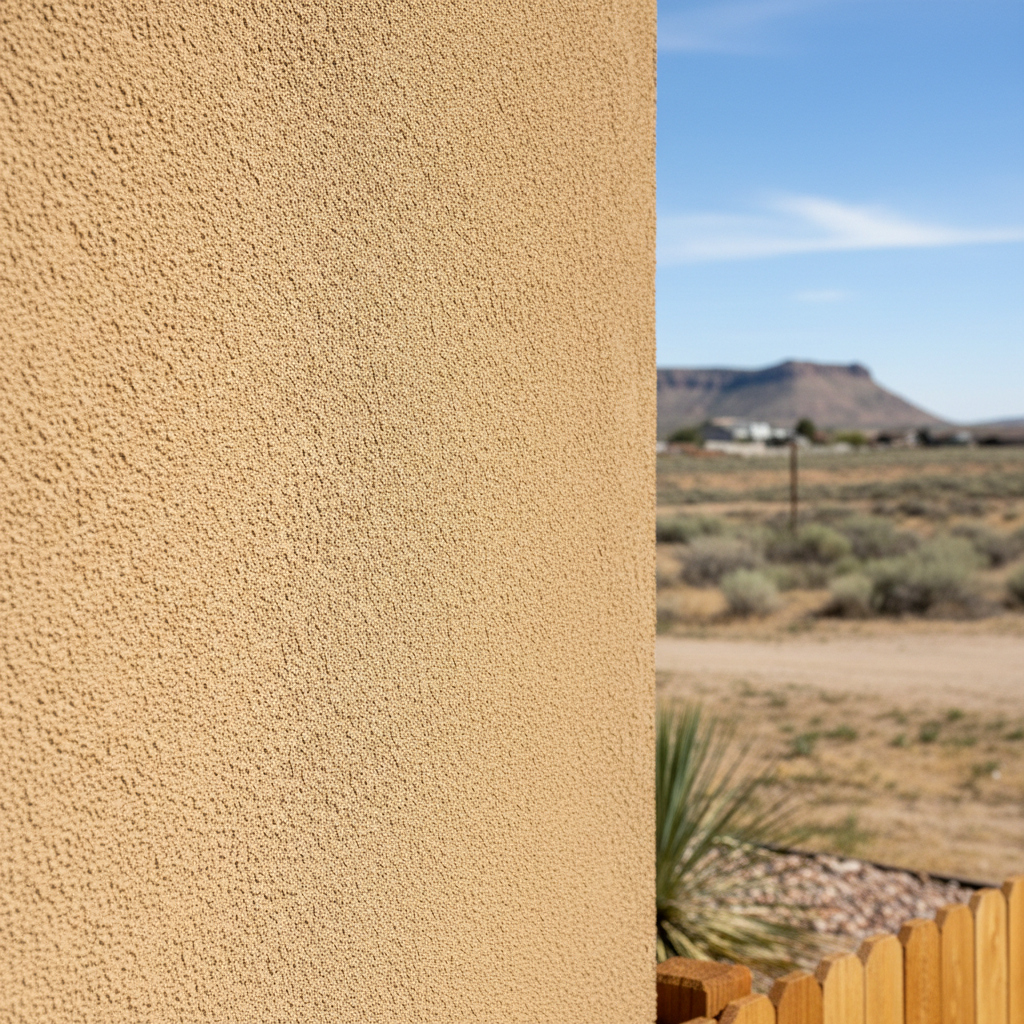
Got questions about painting your stucco? Good. It's a bigger job than just slapping on some paint, especially here in West Valley City. I've been doing this for years, and I hear the same concerns from folks all over town, from Granger to Hunter. Let's tackle some of the big ones you're probably wondering about.
Can I just use regular exterior paint on my stucco?
No, you really shouldn't. Regular exterior paint isn't designed for stucco's unique properties. Stucco needs to breathe. It's a porous material, and if you seal it up with a film-forming acrylic paint, you're asking for trouble. That paint can trap moisture inside the wall, leading to bubbling, peeling, and even damage to the stucco itself. You'll see this especially often on homes that face the afternoon sun directly, where trapped moisture heats up and tries to escape.
What you need is a high-quality elastomeric or breathable acrylic paint specifically formulated for masonry or stucco. These paints are flexible, so they can bridge hairline cracks without cracking themselves, and they allow moisture vapor to pass through. That's key for the longevity of your stucco and your paint job.
How do I know if my stucco is ready for paint, or if it needs repairs first?
Before you even think about paint, you've got to inspect your stucco. Look for cracks, especially anything wider than a credit card. Check for areas that sound hollow when you tap them – that could mean delamination, where the stucco has separated from the wall. Are there any soft spots, or areas with powdery residue? Those are all signs of damage that need to be addressed.
Painting over damaged stucco is like putting a band-aid on a broken leg; it won't fix the underlying problem, and the paint job will fail quickly. You'll just be wasting money. At Charis Stucco Company, we always recommend a thorough inspection and any necessary repairs first. It's an extra step, but it saves you a headache and more money down the road.
What's the best type of paint for stucco in our climate?
For West Valley City's climate, with our hot summers and cold, sometimes wet winters, you want something durable and flexible. As I mentioned, elastomeric paints are a top choice. They're thicker and more elastic than regular paints, so they can expand and contract with temperature changes and cover minor imperfections. They also offer excellent waterproofing.
Another good option is a high-quality 100% acrylic latex paint specifically designed for masonry. These are breathable, durable, and come in a wide range of colors. The key is to avoid cheap paints that don't offer the flexibility or breathability stucco needs. You're looking for a product that can stand up to our intense UV exposure and the freeze-thaw cycles we get.
Do I need to prime my stucco before painting?
Most of the time, yes, you absolutely need to prime. Priming does a few things:
- It creates a uniform surface for the paint, helping it adhere better and giving you a more consistent finish.
- It helps seal porous stucco, reducing the amount of finish coat paint you'll need.
- It can block stains and prevent efflorescence (those white powdery salt deposits) from bleeding through your new paint.
- If you're making a drastic color change, a tinted primer can make a big difference in coverage.
There are specific primers for masonry and stucco. Make sure you use one that's compatible with your chosen topcoat paint. Skipping primer is a common mistake that leads to a less durable, less attractive paint job.
How long does a good stucco paint job last around here?
With proper preparation, the right materials, and skilled application, a high-quality stucco paint job in West Valley City should last anywhere from 10 to 20 years. That's a big range, I know, but it depends on a few factors:
- Quality of materials: Premium paints and primers last longer.
- Preparation: If you skimp on cleaning and repairs, your paint won't last.
- Application: Proper technique, including applying the correct film thickness, is crucial.
- Exposure: Sides of your house that get more sun or weather exposure might fade or wear faster.
- Maintenance: Keeping your stucco clean and addressing minor issues quickly helps extend its life.
I've seen paint jobs fail in five years because corners were cut, and I've seen them look great after 15 because it was done right the first time.
What's the best time of year to paint stucco in West Valley City?
You want moderate temperatures and low humidity. Here in West Valley, that usually means late spring (April-May) or early fall (September-October). You want to avoid the scorching heat of July and August, as paint can dry too quickly, leading to poor adhesion and brush marks. You also want to steer clear of late fall and winter when temperatures drop below the manufacturer's recommended application range (typically 50°F and rising), and there's a higher chance of rain or freezing temperatures overnight.
It's not just about the daytime temperature; you need to consider the overnight lows too. Paint needs time to cure properly, and cold temperatures can mess with that process. Plus, you don't want to be dealing with our inversion layer if you can help it; better air quality makes for a better work environment.
Can painting stucco change its texture?
Generally, no, a good paint job shouldn't significantly change the texture of your stucco. If you're using a standard or even an elastomeric paint, it will follow the contours of your existing texture. The only way you'd really change the texture is if you applied an extremely thick, heavy coating that essentially fills in the finer details, or if you're using a textured paint specifically designed to add texture. But for a typical repaint, the texture you have is the texture you'll keep, just with a fresh new color.
Hopefully, this clears up some of your stucco painting questions. It's a big investment in your home, so getting it right is important. Don't hesitate to reach out if you've got more questions or want to talk specifics about your West Valley City home.