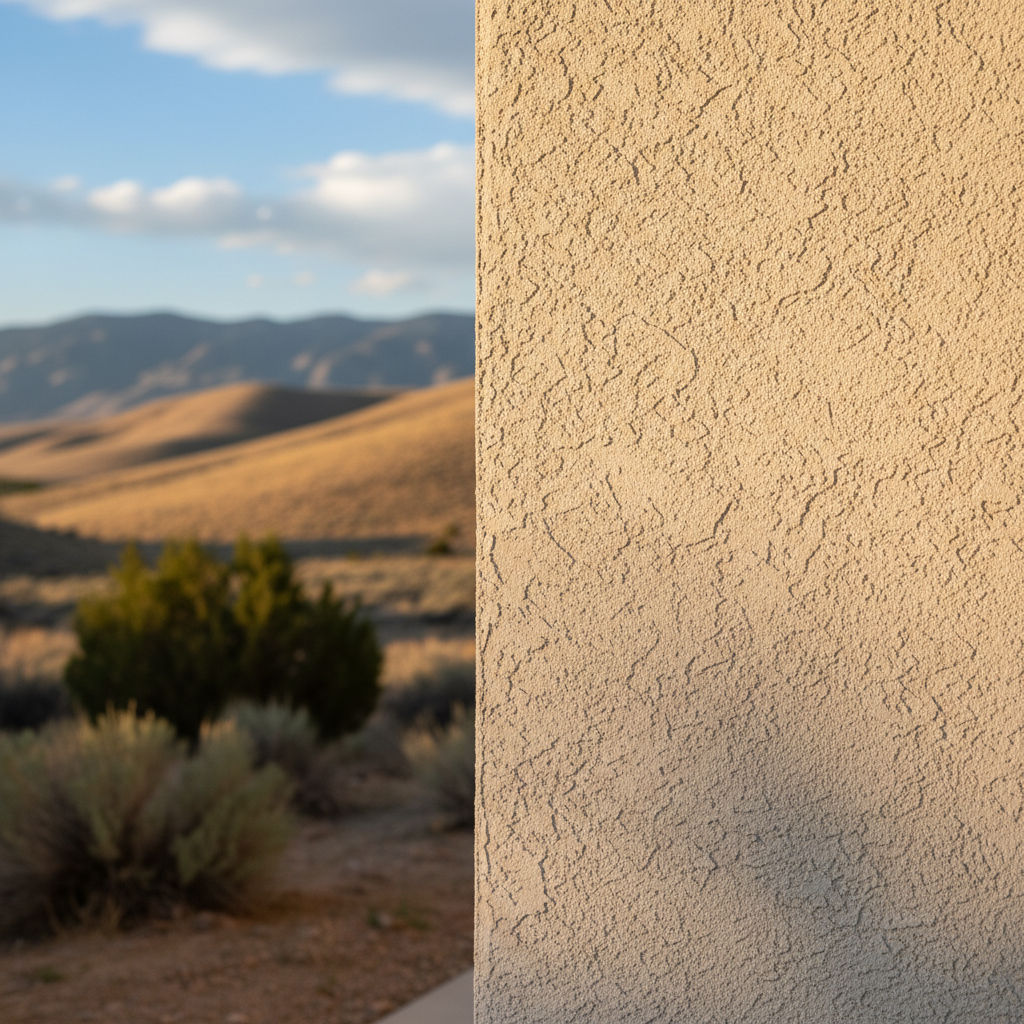
Alright, let's talk stucco repair. I've been doing this for a while here in West Valley City, and I hear the same questions pretty often from homeowners. It makes sense – you see a crack or a chip, and then you're left wondering, 'What's the deal? How bad is this, really? And how much is it gonna cost me?' So, I figured it's time to lay it all out there. Here are the most common questions I get about stucco repair, along with my honest answers.
What causes stucco to crack, and are all cracks serious?
This is probably the number one question. Stucco cracks for a bunch of reasons, and no, not all cracks are serious. The most common culprit? Our crazy Utah weather. We get those big temperature swings, from freezing cold winters to scorching hot summers, and that expansion and contraction can cause hairline cracks. It's just the material moving a bit, you know?
Other common causes include:
- Settling foundations: If your house settles, even a tiny bit, the stucco doesn't always move with it. This leads to cracks, often diagonal ones around windows or doors.
- Poor installation: Sometimes, it just wasn't done right from the start. Not enough control joints, improper lath, or bad mix ratios can all cause problems down the road.
- Water intrusion: This is a big one. If water gets behind the stucco and freezes, it expands. That can really mess things up, leading to bigger, more serious cracks or even delamination.
- Impact damage: A stray baseball, a ladder falling, or even just general wear and tear can cause chips and cracks.
Now, about seriousness: Hairline cracks (you know, the ones you can barely see, like a strand of hair) are usually just cosmetic. They don't typically mean water's getting in. But if you see cracks wider than a credit card, or if they're spiderwebbing, bulging, or have water stains around them, you've got a problem that needs attention. Those wider cracks are direct pathways for moisture, and that's when you start risking rot and mold behind your walls.
How long does a typical stucco repair take?
That really depends on the size and complexity of the damage. A small, cosmetic crack repair on a flat wall? We can often knock that out in a few hours. We'll clean the area, fill the crack, apply new stucco, and then texture it to match. If it's a bigger section, say a few square feet where the stucco has delaminated or been damaged by water, that's a multi-step process. We'd have to remove the old stucco, inspect the substrate for damage (like rotting sheathing or studs), make any necessary repairs to the wall structure, apply new lath, scratch coat, brown coat, and then the finish coat. That kind of job could take a few days, especially if we need to let layers cure properly.
Matching the texture and color is also a big part of the time. We take our time to get it right so the repair blends in, and that sometimes means waiting for things to dry to see the true color match.
Can I just patch small stucco holes or cracks myself?
You can, but I'll be honest, it's tougher than it looks to make it blend in. For truly tiny hairline cracks, a good quality elastomeric caulk specifically designed for stucco can work for a temporary fix. For small holes or chips, you can buy pre-mixed stucco patch. The trick isn't just filling the hole, though. It's about getting the texture and color to match the existing stucco. Most DIY attempts end up with a noticeable patch because the texture is off, or the color dries differently. Stucco isn't like painting drywall where you just roll it on. It's an art to get the texture right, whether it's a smooth Santa Barbara finish or a rougher dash. If you're okay with a patch that's visible, go for it. If you want it to disappear, you're usually better off calling someone who does this all the time.
What's the deal with stucco color matching for repairs?
Color matching is probably the hardest part of any stucco repair, and it's where a lot of contractors fall short. Stucco color isn't just paint; it's integral to the material. Over time, your existing stucco fades from sun exposure, pollution, and general weathering. So, even if we use the exact same color formula that was originally applied, the new stucco will often look brighter or slightly different. We have a few tricks up our sleeve: we can try to blend it in, use pigments to get as close as possible, or sometimes, for larger repairs, we might recommend painting the entire wall or even the whole house after the repair is done to ensure a uniform look. We always try to get it as close as possible, but managing expectations on a perfect, invisible match, especially on older stucco, is important.
How much does stucco repair typically cost in West Valley City?
This is the 'how long is a piece of string?' question. It varies wildly. A small, cosmetic crack might be a few hundred bucks. A larger section with water damage, where we're replacing lath, repairing sheathing, and applying multiple coats, could easily be over a thousand, or several thousand depending on the size and complexity. Factors that influence cost include:
- Size of the repair: Bigger repairs mean more material and labor.
- Type of damage: Surface cracks are cheaper than structural damage.
- Location of the repair: Is it easy to access, or do we need scaffolding or special equipment? Repairs high up on a two-story house, especially on a steep roofline common in some of our newer developments around Decker Lake, will cost more due to safety and access.
- Stucco texture and color complexity: Matching intricate textures or custom colors takes more skill and time.
- Underlying damage: If we find rot or mold once we open up the wall, those repairs add to the cost.
The best way to get an accurate estimate is to have a professional come out and take a look. We'll give you a clear breakdown of what needs to be done and why.
When should I consider full stucco replacement instead of just repair?
That's a tough call sometimes, but there are definitely situations where replacement makes more sense. If you have widespread damage across a large portion of your home, not just a few isolated spots, it might be more cost-effective in the long run to replace it. This is especially true if you're dealing with systemic issues like widespread moisture intrusion due to faulty original installation, or if the stucco is delaminating in many areas. If your stucco is just old, brittle, and constantly cracking in new places, you're going to be chasing repairs forever. Sometimes, homeowners also consider replacement if they want to change the aesthetic of their home entirely, but that's a different discussion. If the cost of repairing all the damaged sections starts to approach or exceed the cost of replacing that entire wall or section, then replacement is usually the smarter move. It gives you a fresh start, often with better modern materials and installation techniques that'll hold up better.
Look, maintaining your home's exterior is important, and stucco is a great, durable material when it's done right. Don't ignore those cracks and chips; they usually don't get better on their own. If you're in West Valley City or the surrounding areas and have questions about your stucco, give us a call at Charis Stucco Company. We're happy to come out, take a look, and give you an honest assessment.