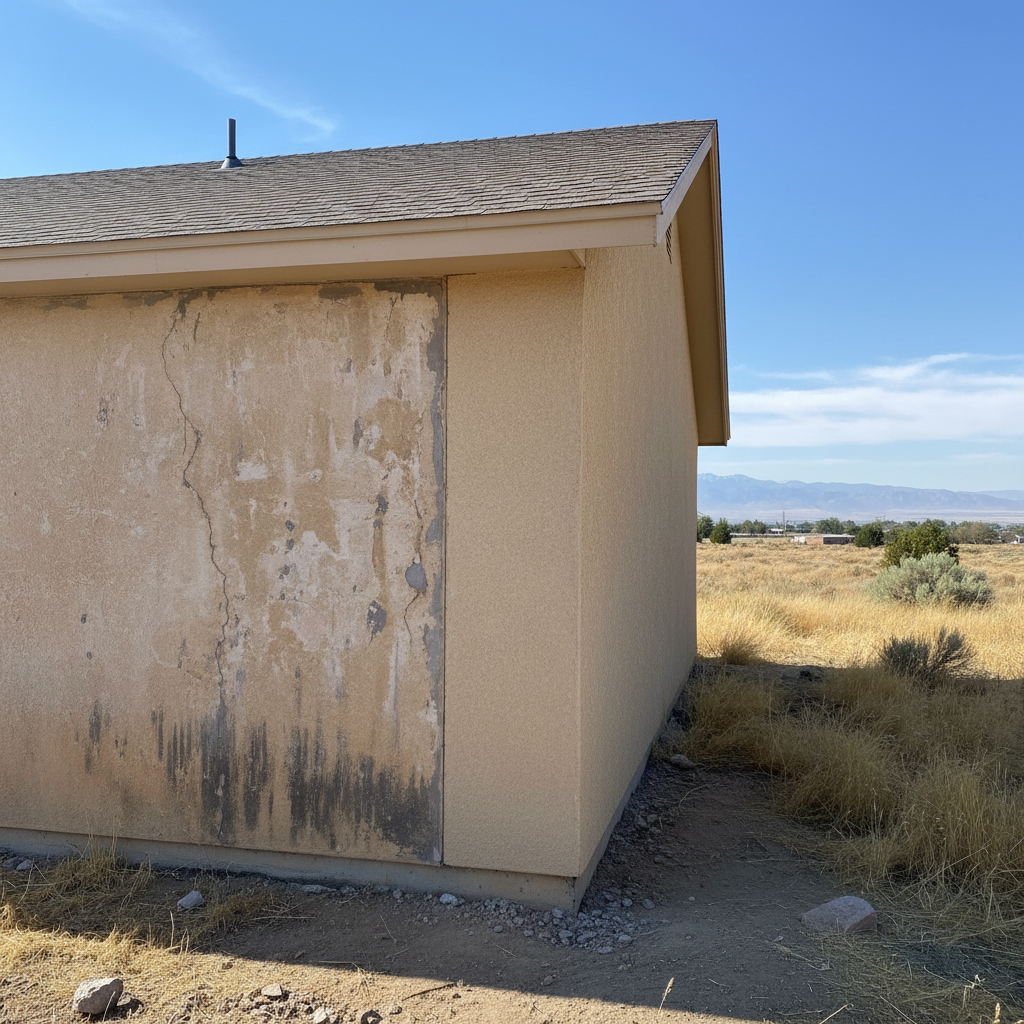
Your stucco's looking rough, huh? Cracks, water stains, maybe some soft spots? Yeah, it happens. When it's time to replace it, homeowners in West Valley City usually hit a fork in the road: do you rip everything off and start fresh, or just go right over the old stuff? Both approaches have their moments, but figuring out which one's right for *your* specific situation is crucial. I've seen plenty of both methods in my time, and here's what I've learned.
Option 1: Full Stucco Tear-Off and Replacement
This one's pretty straightforward. We strip off all the old stucco, right down to the sheathing or framing. It's a big job, no doubt about that. But when you're dealing with serious problems, it's often the smartest move you can make.
Why You'd Go This Route:
- Hidden Damage: Got water sneaking in, mold, or rot behind the stucco? A tear-off lets us actually see and fix it. We're talking about things like damaged sheathing, weakened framing, or even issues with window and door flashing. You just can't properly check or repair that stuff if it's all covered up, can you?
- Complete System Upgrade: This is your chance to put in a brand-new, up-to-date stucco system. That means better weather barriers, proper drainage planes, and new lath. Our winters here can really dump snow and then quickly melt it, followed by those hot summers. So, having a solid, well-drained system is absolutely vital for homes, especially around places like the Stonebridge Golf Club area.
- Long-Term Confidence: You'll know exactly what's behind your walls. There's no old material to worry about failing later on. It's a clean slate, and that usually means your new stucco will last much longer.
The Downsides:
- Cost: It's typically the most expensive option upfront. More labor, more material to haul away, and potentially more repairs to the structure underneath.
- Time: It takes longer, plain and simple. Your home will be exposed for a bit, and the whole process is just more involved.
- Mess: There's going to be a fair amount of dust and debris. We do our best to contain it, but let's be real, it's a construction site.
Option 2: Stucco Overcladding (Going Over the Old Stucco)
Sometimes, the existing stucco isn't in terrible shape structurally, but it just looks bad, or maybe you just want a fresh new finish. Overcladding means we apply a new layer of stucco directly over the old one — sometimes with an intermediate layer in between.
Why You'd Go This Route:
- Cost Savings: Generally, it's cheaper than a full tear-off. Less demolition, less to dispose of, and often quicker labor.
- Faster Project: The job usually gets done quicker since we're not tearing everything down.
- Less Invasive: Your home isn't exposed to the elements for as long.
- Improved Insulation (Sometimes): Adding another layer *can* slightly boost your home's thermal performance, though it's not really the main reason most people do it.
The Downsides:
- Hides Potential Problems: This is the biggest risk, no question. If there's any hidden water damage, rot, or mold in the existing wall system, overcladding just covers it up. Those problems will keep festering, and you won't even know until they're much, much worse. I've seen this really bite homeowners later on.
- Adds Weight: You're adding significant weight to your home's exterior. Most homes can handle it, but it's definitely something to think about, especially if the original structure is older.
- No Drainage Plane Improvement: Unless we're adding a new lath and drainage system on top, you're not improving the critical drainage capabilities of your wall. This is a huge deal in Utah, where we get that freeze-thaw cycle.
- Door/Window Recess Issues: Adding thickness to your walls can make your windows and doors look recessed, which might not be the aesthetic you're hoping for.
My Recommendation for West Valley City Homeowners
Look, I'm not going to sugarcoat it. For most homes in West Valley City, especially if your stucco is showing significant signs of age, cracking, or water staining, a full tear-off and replacement is almost always the better long-term investment.
Why? Because of our climate, pure and simple. We get those hot, dry summers and then cold, wet winters. That freeze-thaw cycle is brutal on building materials. If there's even a hint of moisture getting behind your stucco, overcladding it is like putting a band-aid on a broken leg. You're just trapping the problem, letting it get worse, and setting yourself up for much more expensive repairs down the road. I've seen too many homes in neighborhoods like the Parkway area where overcladding seemed like a good idea at the time, only to discover extensive rot a few years later. What a mess.
With a full tear-off, you get to address any underlying issues, install a modern, tough drainage system that can really handle our weather, and ensure your home is protected for decades. It's more money upfront, sure, but it's an investment in the health and longevity of your biggest asset.
Of course, there are exceptions. If your stucco is truly in excellent structural condition, with no signs of water intrusion, and you just want a cosmetic refresh, overcladding *might* be an option. But even then, I'd insist on a thorough inspection first to make absolutely sure there are no hidden surprises.
When you're ready to figure out the best path for your home, give Charis Stucco Company a call. We'll come out, take a good look, and give you an honest assessment of what your home really needs. We're not here to sell you the most expensive job, but the right job.