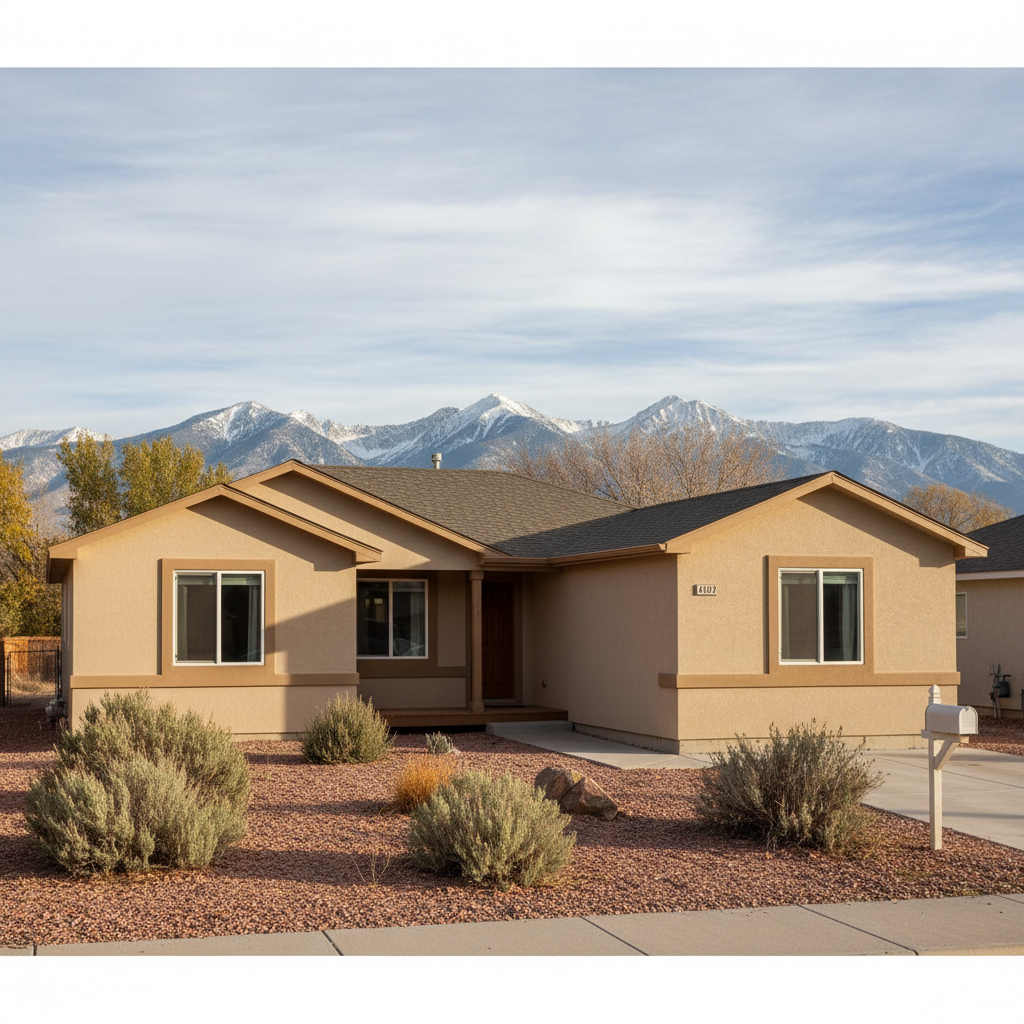
So, you're thinking about stucco for your West Valley City home? Good call! It's a fantastic, super durable exterior that really stands up to our wild Utah weather. But here's the thing: *when* you put it on matters a lot. You can't just slap stucco up any old time of year and expect it to work its best. Our local climate, with those scorching summers, freezing winters, and sometimes crazy temperature swings, plays a huge role in how well your stucco cures and ultimately, how long it lasts.
When's the Best Time for Stucco Installation?
Honestly, spring and fall are usually your best bets around here. Why? Because stucco needs a Goldilocks zone – not too hot, not too cold, and definitely not too wet. In West Valley City, that sweet spot typically runs from April through June, and then again from September through October. During these months, you usually get more moderate temperatures, which lets the stucco cure slowly and evenly. That's absolutely key for strength and stopping cracks from showing up later.
When it gets too hot, like those scorching July and August days we get where the asphalt on Redwood Road practically melts, the water in the stucco mix can evaporate way too fast. This leads to what we call 'flash drying,' and it makes the stucco weak and prone to cracking. It's kind of like trying to bake a cake at 500 degrees – it'll cook on the outside but be raw and crumbly inside. Not exactly what you want for your home's exterior, right?
On the flip side, winter installations are tough. If the temperature drops below 40 degrees Fahrenheit, especially overnight, the water in the stucco can freeze before it properly cures. This causes all sorts of headaches, from poor adhesion to crumbling finishes. We can sometimes work around it with special additives and careful scheduling, but it's always riskier. Plus, trying to work on a ladder when there's ice on the ground or a sudden snow squall blows in? Not ideal for safety or quality, believe me.
Weather Conditions That Mess with Stucco
Beyond just temperature, other weather conditions can really throw a wrench into a stucco job. You've got to watch out for:
- High Winds: Wind can dry out the stucco surface too fast, just like extreme heat. It also makes it tough to apply evenly, and nobody wants a lumpy finish.
- Rain: Obvious, right? Stucco needs to dry, not get washed away. Even a light drizzle can ruin a fresh coat. We're always checking the forecast and have to be ready to cover things up if an unexpected storm rolls in.
- Humidity: While not as critical as temperature, very high humidity can slow down drying times significantly. This isn't usually a huge issue in our dry Utah climate, but it's something we keep in mind.
That's why a good contractor, like us at Charis Stucco, is always keeping a close eye on the weather. We're not just looking at the daily high; we're thinking about overnight lows, wind speeds, and precipitation chances for days after the application. Sometimes, that means rescheduling, and I know that can be frustrating, but it's always in your best interest for a quality job. Truly.
Protecting Your Stucco Investment Year-Round
Once your stucco is on and cured, it's pretty low maintenance, but a little care goes a long way in protecting your investment. Here are a few tips:
- Keep it Clean: A good rinse with a garden hose once or twice a year can remove dirt and dust. For tougher spots, a soft brush and mild detergent work wonders. Just don't use a high-pressure washer too close; you can damage the finish.
- Watch for Cracks: Small hairline cracks are normal as your house settles and expands/contracts with temperature changes. But if you see larger cracks, especially around windows or doors, or cracks that seem to be getting wider, get them checked out. Water can get in there and cause bigger problems.
- Manage Water: Make sure your gutters are clean and directing water away from your foundation. Sprinklers should be aimed away from the stucco. Standing water against your home's exterior is never a good thing, no matter the material.
- Trim Landscaping: Keep bushes and trees trimmed back so they're not constantly rubbing against the stucco or holding moisture against the wall.
By understanding how our West Valley City climate affects stucco and taking a few simple steps, you can make sure your home's exterior looks great and performs well for decades. If you've got questions about timing your stucco project or need an inspection, give us a call. We're always happy to help you figure out the best plan.