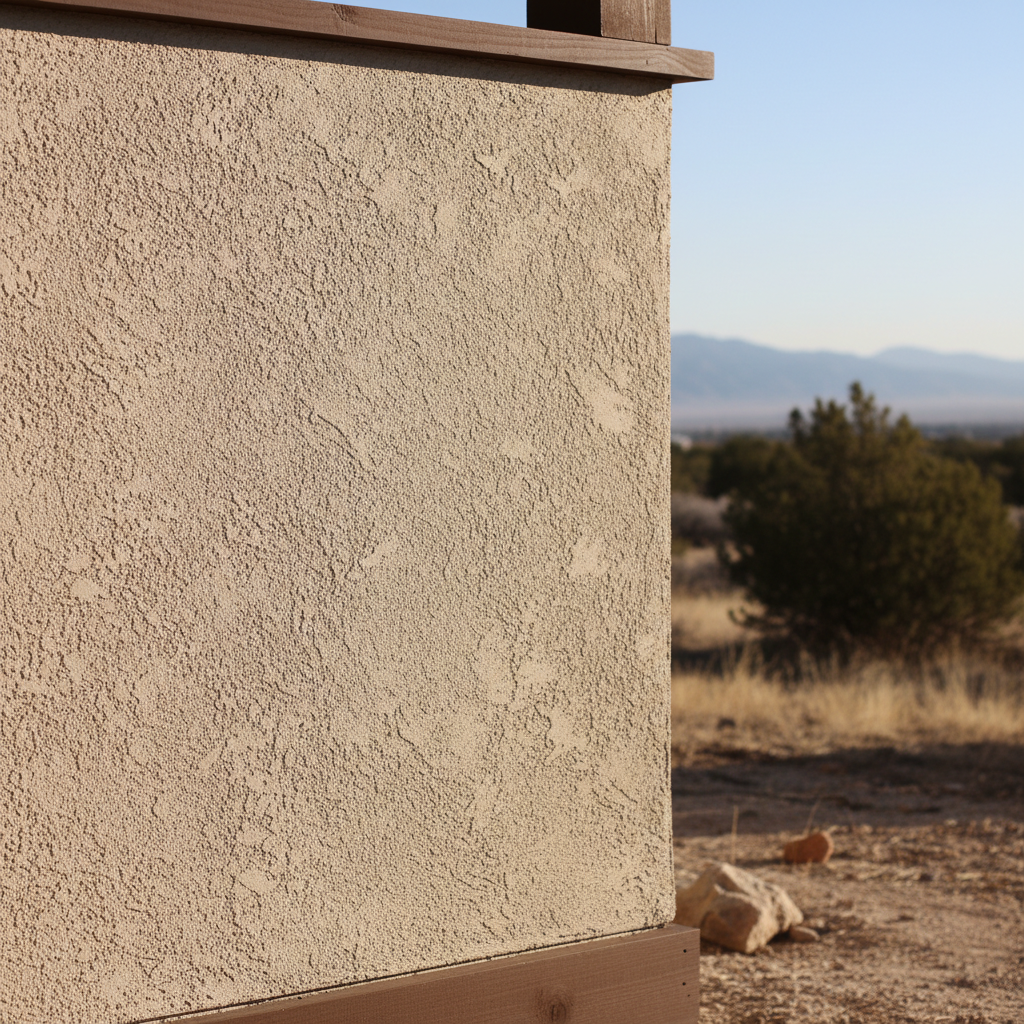
Thinking Stucco? What to Know Before You Start
So, you're eyeing stucco for your West Valley City home, huh? Maybe you're building something new, or maybe you're just thinking about giving your old siding a fresh, tough look. It's a smart pick for our climate here in Utah; stucco really holds up against our hot summers and those cold, snowy winters, especially when it's installed correctly. But before you dive in, there are a few things you really ought to understand.
First off, what kind of stucco are we even talking about? There's traditional three-coat stucco, which is cement-based and super durable. Then you've got EIFS (Exterior Insulation and Finish System), which is synthetic and gives you better insulation. Each one has its good points and bad points, and what works for your neighbor in Hunter might not be the right fit for your place down by Valley Fair Mall. You really need to think about your home's age, what it's built like now, and your budget. This isn't a decision to rush, you know?
Can you handle the "before" part yourself? Absolutely. Research is your best friend here. Look into different stucco types, check out local building codes – West Valley City has specific rules, especially for things like weep screeds and flashing. You can also get a feel for colors and textures. But when it comes to figuring out if your home is truly ready for stucco, especially if it means structural changes or moisture barrier work, that's usually when you'll want a professional to take a look. They often spot potential issues you might miss.
During the Project: When to Roll Up Your Sleeves and When to Step Back
Alright, you've picked a type of stucco and you're ready to get going. This is where things get real, and it's super important to know what you can actually do yourself versus what absolutely needs an expert.
For a full stucco installation, whether it's a brand new house or a complete re-siding job, I'm just going to be honest: this isn't a weekend DIY project. Applying stucco is both an art and a science. It involves careful layering, precise mixing, and skilled trowel work to get a consistent finish that looks good and lasts. If the layers aren't put on right, or if the moisture barriers aren't installed perfectly, you're setting yourself up for big problems later on – think cracks, water getting in, and mold. Believe me, I've seen plenty of DIY attempts that end up costing way more to fix than if a professional had just done it right from the start.
Things you might be able to do yourself during the process, if you're handy and careful:
- Prep work: Clearing the area, protecting your landscaping, maybe even some light demolition of old siding if it's pretty straightforward.
- Clean-up: Keeping the site tidy while work is happening and once it's done.
- Basic repairs (small scale): If you're just fixing a tiny hairline crack, you might be able to patch it with a good quality stucco patch compound. But anything bigger, especially if there's water damage or structural issues, needs a pro.
For everything else – the actual application of the scratch coat, brown coat, and finish coat, making sure flashing is correct around windows and doors, and getting those crisp, even lines – you need someone who does this day in and day out. That's where companies like Charis Stucco Company come in. We have the tools, the training, and the experience to make sure your stucco job stands up to everything our Utah weather throws at it.
After the Stucco: Keeping Your Home Looking Great
So, the dust has settled, and your home looks fantastic with its new stucco. Now what? The good news is, stucco doesn't need a ton of upkeep, but "low" doesn't mean "none." A little care really goes a long way in protecting your investment.
Here's what you can do:
- Regular Cleaning: Once or twice a year, give your stucco a good wash. A garden hose with a spray nozzle is usually enough to get rid of dirt and dust. For tougher spots, a soft brush and some mild detergent (like dish soap) can really help. Just try to avoid high-pressure washers unless you know exactly what you're doing, because they can damage the finish.
- Inspect for Cracks: Walk around your house every so often and look for any new cracks. Small hairline cracks are often just on the surface and aren't a huge worry, but if you see anything wider than a credit card, or if cracks are growing, that's a red flag.
- Check for Water Issues: Make sure your gutters are clean and draining properly, and that water isn't pooling around your foundation. Stucco really doesn't like constant moisture.
- Address Vegetation: Keep bushes and trees trimmed away from the stucco. They can trap moisture and cause staining or even damage over time.
When should you call a pro after the project is done? If you spot those larger cracks, any signs of water getting in (like dark stains or bubbling), or if you notice the stucco detaching from the wall, don't hesitate. These are signs of bigger problems that need immediate attention from an experienced stucco contractor. Trying to DIY a major repair can often make things worse, believe it or not. It's always better to catch these issues early, before they become really expensive headaches.
Taking care of your stucco isn't rocket science, but knowing when to trust your own skills and when to bring in the pros will save you time, money, and a whole lot of stress in the long run.